A successful landscape is usually built by diagnosing site conditions before buying products or plants. The practical approach is to observe how water, soil, light, roots and people use the space, then make one decision at a time.
Settle the gaps with water after planting
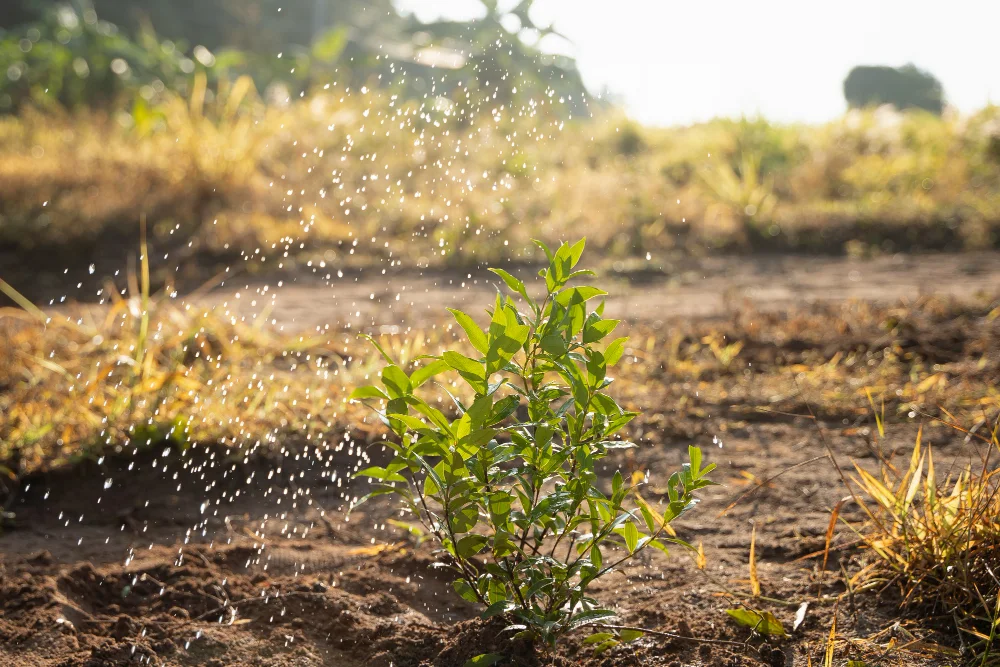
The first watering helps reduce large air pockets around the roots. Use water and proper placement rather than compacting the soil hard with your foot.
Look at moisture, not the calendar
Weather, soil, tree size and season change how often you water. Check the root-ball moisture with your finger or a suitable probe.
Wet the root zone instead of a little every day
Very short waterings that only keep the surface moist may not reach the whole root volume. Check how deep the application goes.
Do not keep watering the base of the trunk
The system should spread water across the root area; keeping the trunk bark constantly wet is not the aim.
Make a mulch ring
Suitable organic mulch helps keep soil moisture, but do not let it touch the trunk and do not pile it too thick.
Reduce competition with the lawn
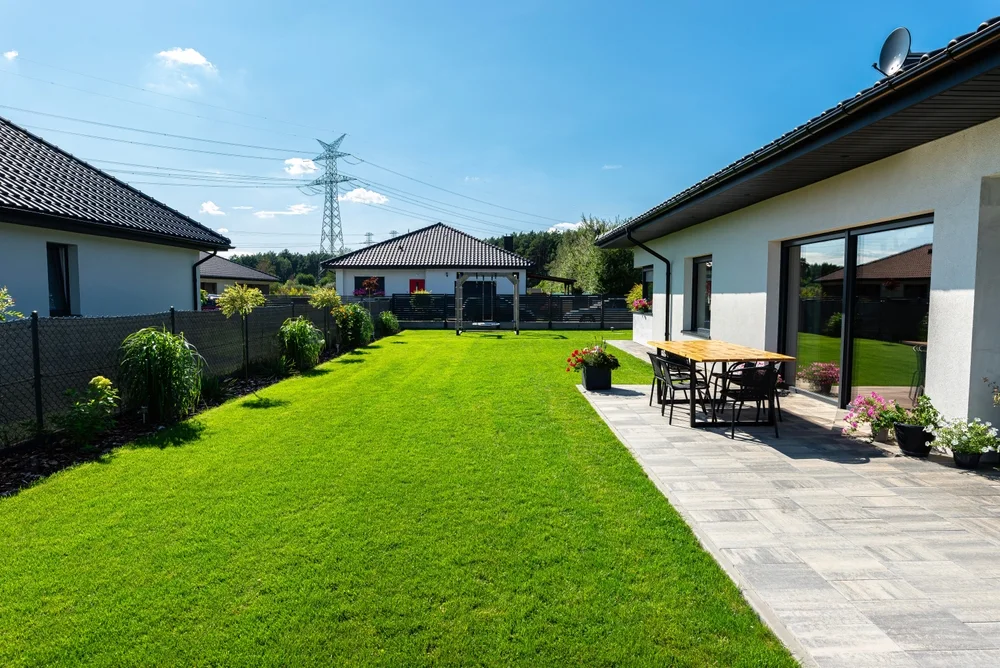
Keep turf where it has a functional role and where light, access and irrigation can support it. Narrow, steep or heavily shaded strips often deserve a different surface or planting strategy.
Widen the watered area as it establishes
As the roots spread into the surrounding soil, water the developing root zone, not only the old root ball.
A field-first rule
Before changing the whole garden, test the assumption in a small area and document the result. Landscape problems are often site-specific; a measured observation is more valuable than a universal minute, dose or plant list.