A successful landscape is usually built by diagnosing site conditions before buying products or plants. The practical approach is to observe how water, soil, light, roots and people use the space, then make one decision at a time.
First map how the space is used
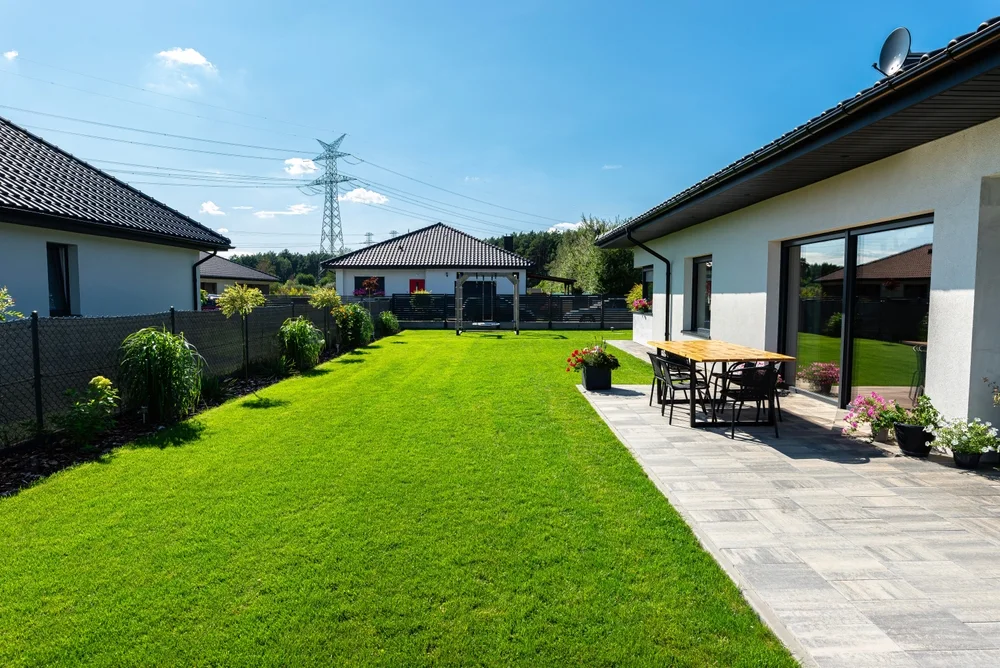
An area where people play, set a table or walk regularly is a strong candidate for lawn. On a narrow strip that is only seen from a distance, consider alternatives.
Amount of sun
Lawn species differ in how much light they need. In deep shade, a shade-suited ground cover can work better than constantly repairing thinning grass.
Slope
On a steep slope, mowing safety and irrigation runoff can be a problem. CSU recommends converting steep, hard-to-water lawn areas to low-water ground covers.
Foot traffic
Many ornamental ground covers are not suited to heavy trampling. Do not automatically read “instead of lawn” as a surface you can play on.
Watering and maintenance
Irrigation should target the active root zone without creating runoff or permanently saturated soil. Check moisture below the surface and adjust runtime, frequency and emitter layout to the actual soil and season.
A mixed design instead of one type
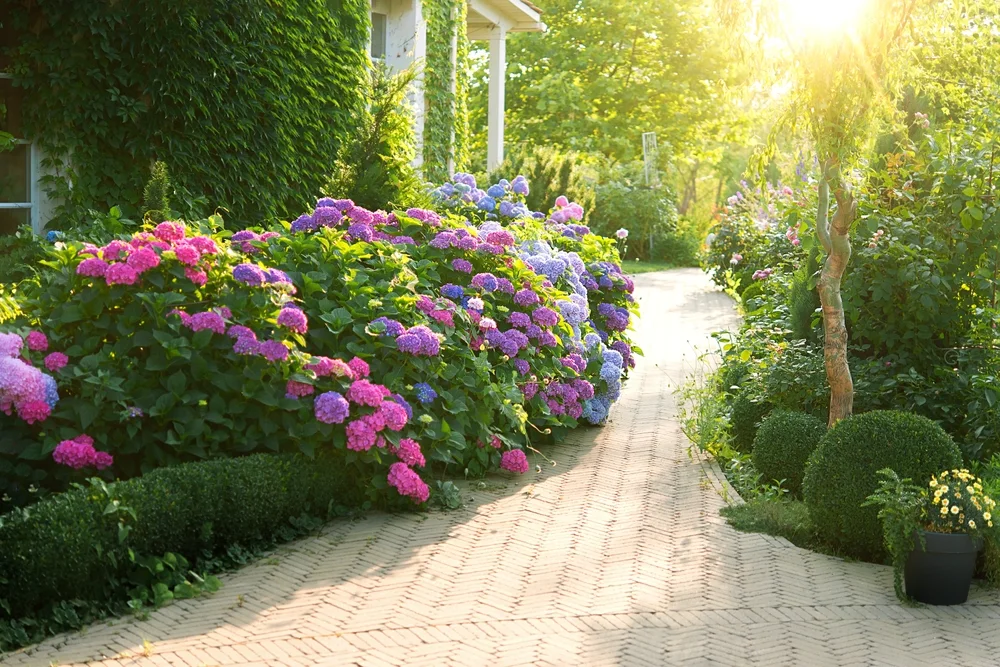
When an active lawn, a planting bed, ground cover and permeable hard surface are used together, the garden can be more functional.
Decide square meter by square meter
In practice, this decision should be checked on site rather than assumed from a generic rule. Observe the relevant soil, water, light, access or maintenance condition, then adapt the design to the actual garden. Record what changes after irrigation, rain or maintenance so the next adjustment is evidence-based.
A field-first rule
Before changing the whole garden, test the assumption in a small area and document the result. Landscape problems are often site-specific; a measured observation is more valuable than a universal minute, dose or plant list.