A successful landscape is usually built by diagnosing site conditions before buying products or plants. The practical approach is to observe how water, soil, light, roots and people use the space, then make one decision at a time.
One large seating area can be better than three small corners
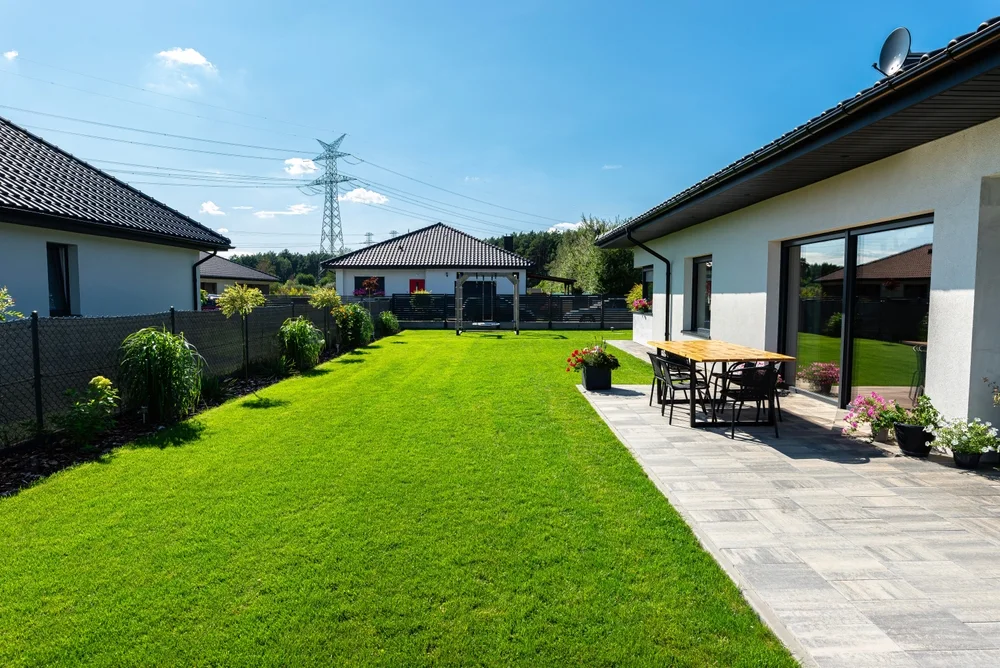
Measure the space where the furniture will actually be pulled out and the chairs used. A table that fits on paper can block the path in use.
Make the path only as wide as it needs to be
Unnecessarily wide hard surface makes a small garden even smaller. Separate the main circulation from rare maintenance access.
Do not miniaturize the plants
Using only tiny, small-leaved plants can make the space look messy. A few strong structural plants, an understory and ground cover create a more readable composition.
Do not leave the whole boundary visible
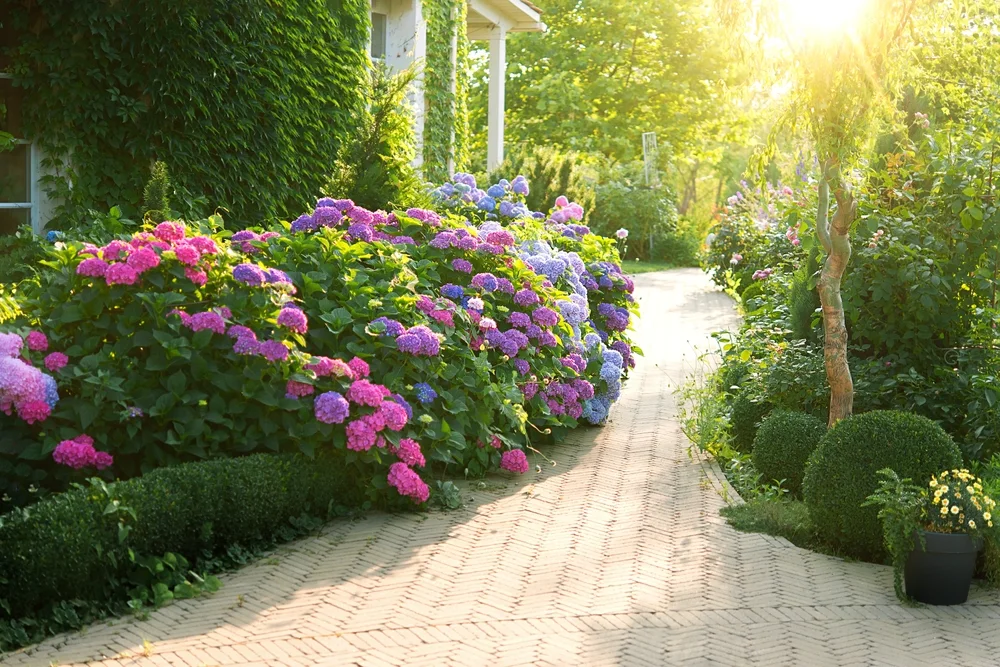
Layered planting can make it harder for the eye to read the parcel edge in one glance and gives a sense of depth.
Use the vertical surface
A suitable climber, espalier or wall element adds green surface without using up the ground.
Build storage into the design
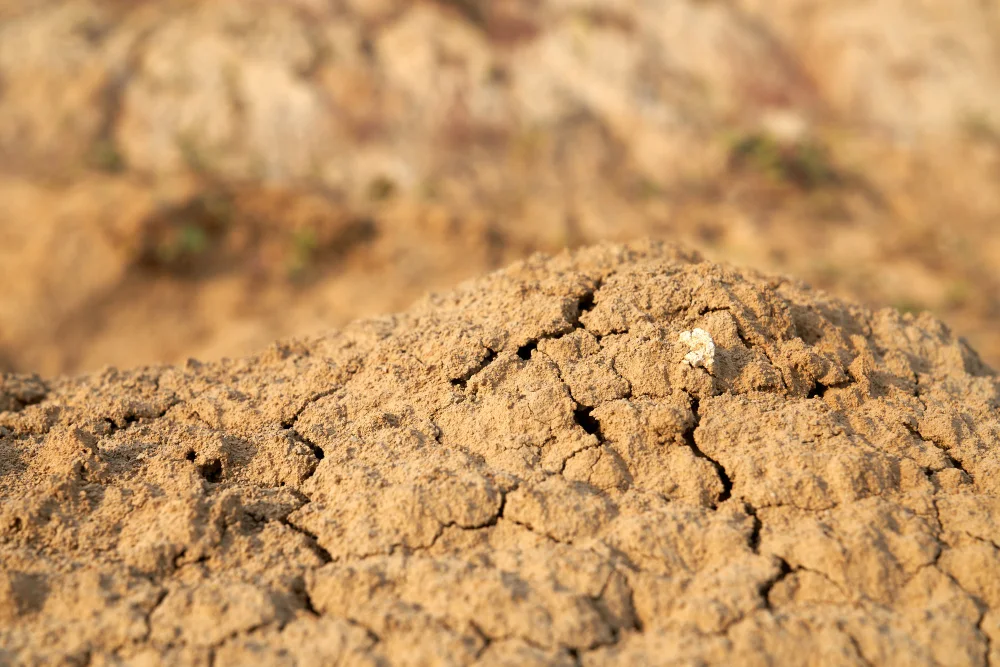
Irrigation should target the active root zone without creating runoff or permanently saturated soil. Check moisture below the surface and adjust runtime, frequency and emitter layout to the actual soil and season.
Use lawn if it has a job
Keep turf where it has a functional role and where light, access and irrigation can support it. Narrow, steep or heavily shaded strips often deserve a different surface or planting strategy.
Install lighting sparingly and on purpose
Lighting the steps, the seating and a few chosen focal points, rather than a spot on every plant, looks calmer.
Be careful with mirrors
An outdoor mirror should be placed carefully because of birds and safety; it is not the only way to create depth.
Measure the furniture first
Drawing planting beds before putting real table and chair sizes on the landscape plan is one of the most common mistakes in a small garden.
A field-first rule
Before changing the whole garden, test the assumption in a small area and document the result. Landscape problems are often site-specific; a measured observation is more valuable than a universal minute, dose or plant list.