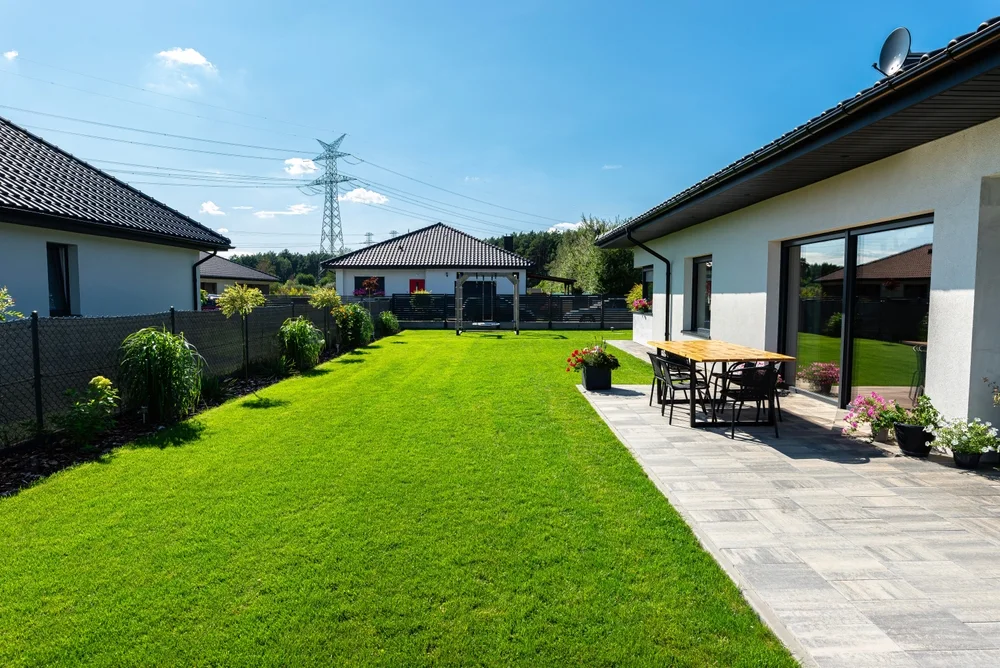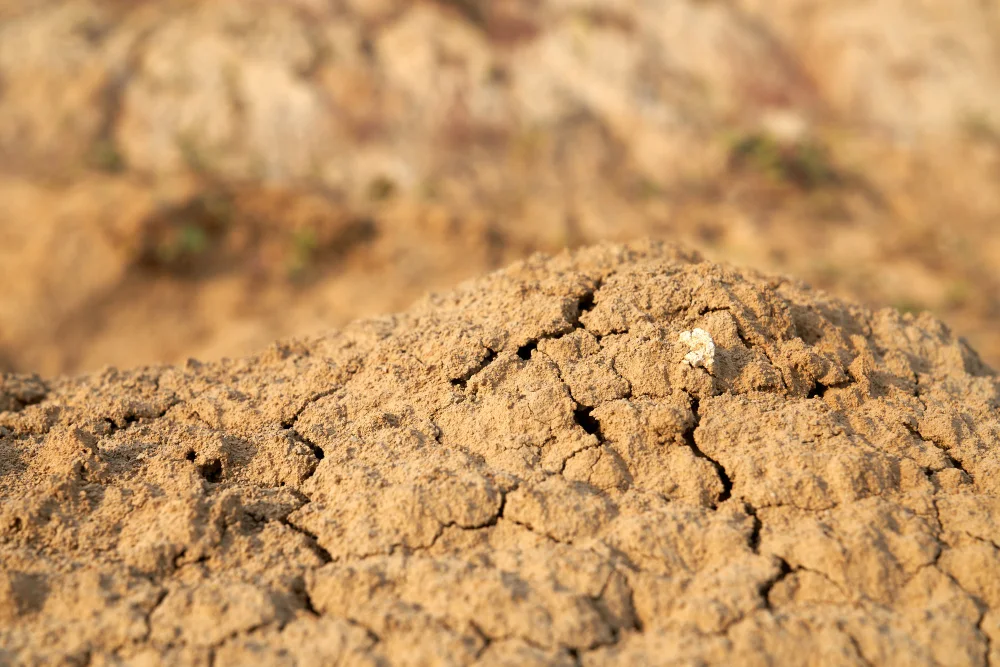
A successful landscape is usually built by diagnosing site conditions before buying products or plants. The practical approach is to observe how water, soil, light, roots and people use the space, then make one decision at a time.
Intervene before it sets seed
Leaving a weed for a few more weeks can grow next season’s seed bank. Do not miss the flowering-to-seed period.
Do not leave the soil bare
Mulch can reduce surface moisture loss and suppress many weeds, but depth and placement matter. Keep organic mulch away from tree trunks and check the existing layer before automatically adding more each year.
Know the root type
Removing an annual weed from the surface is not the same as managing a rhizome or a deep-rooted perennial. On species you spread by chopping them up, aggressive hoeing can backfire.
Water only the plant
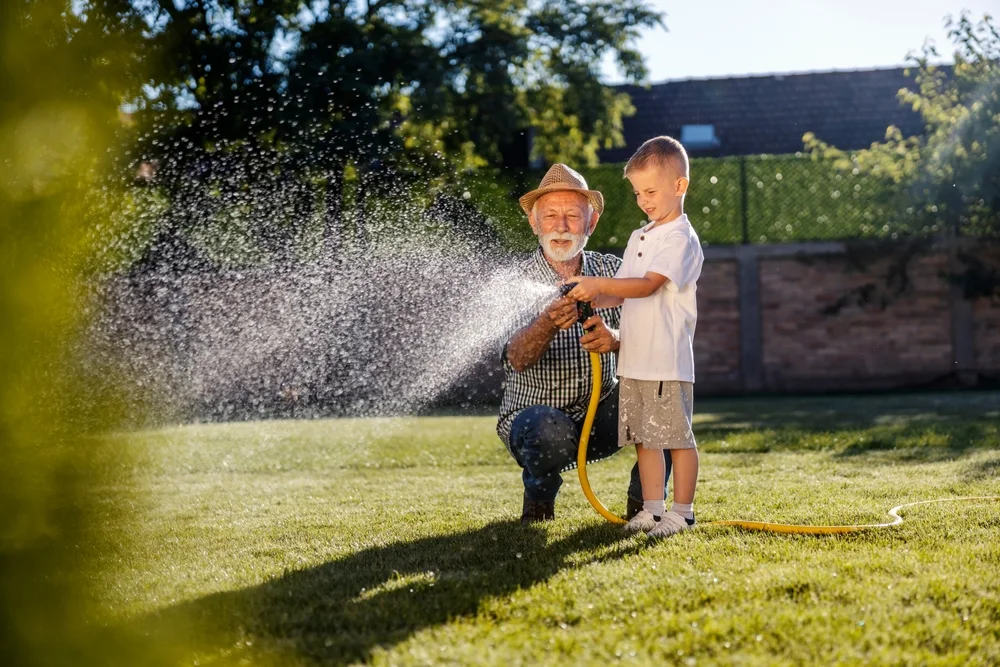
Irrigation should target the active root zone without creating runoff or permanently saturated soil. Check moisture below the surface and adjust runtime, frequency and emitter layout to the actual soil and season.
Check new soil and compost
Material from an unknown source can carry weed seed or rhizomes. Use quality, mature material.
Do not make chemicals the first reflex
Consider mechanical, cultural and design methods together. If a herbicide is needed, follow the label, the target species, the surrounding plants and local rules.
Fill the gap with plants
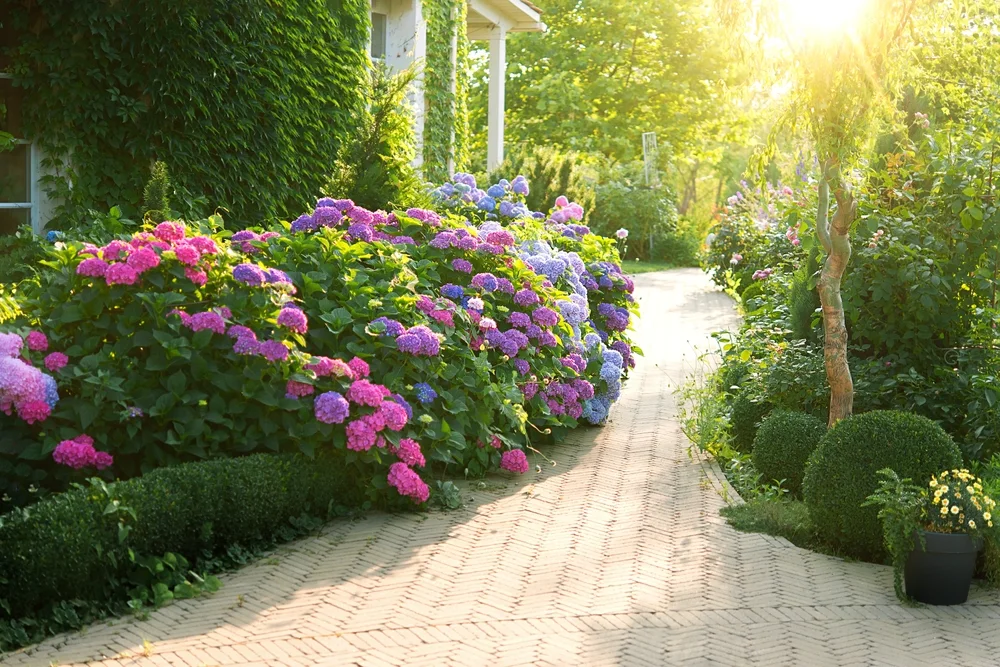
A denser planting planned for mature size can reduce the maintenance load over the long term.
A field-first rule
Before changing the whole garden, test the assumption in a small area and document the result. Landscape problems are often site-specific; a measured observation is more valuable than a universal minute, dose or plant list.